The Benefits of Strength Circuit Workouts for All Types of Runners
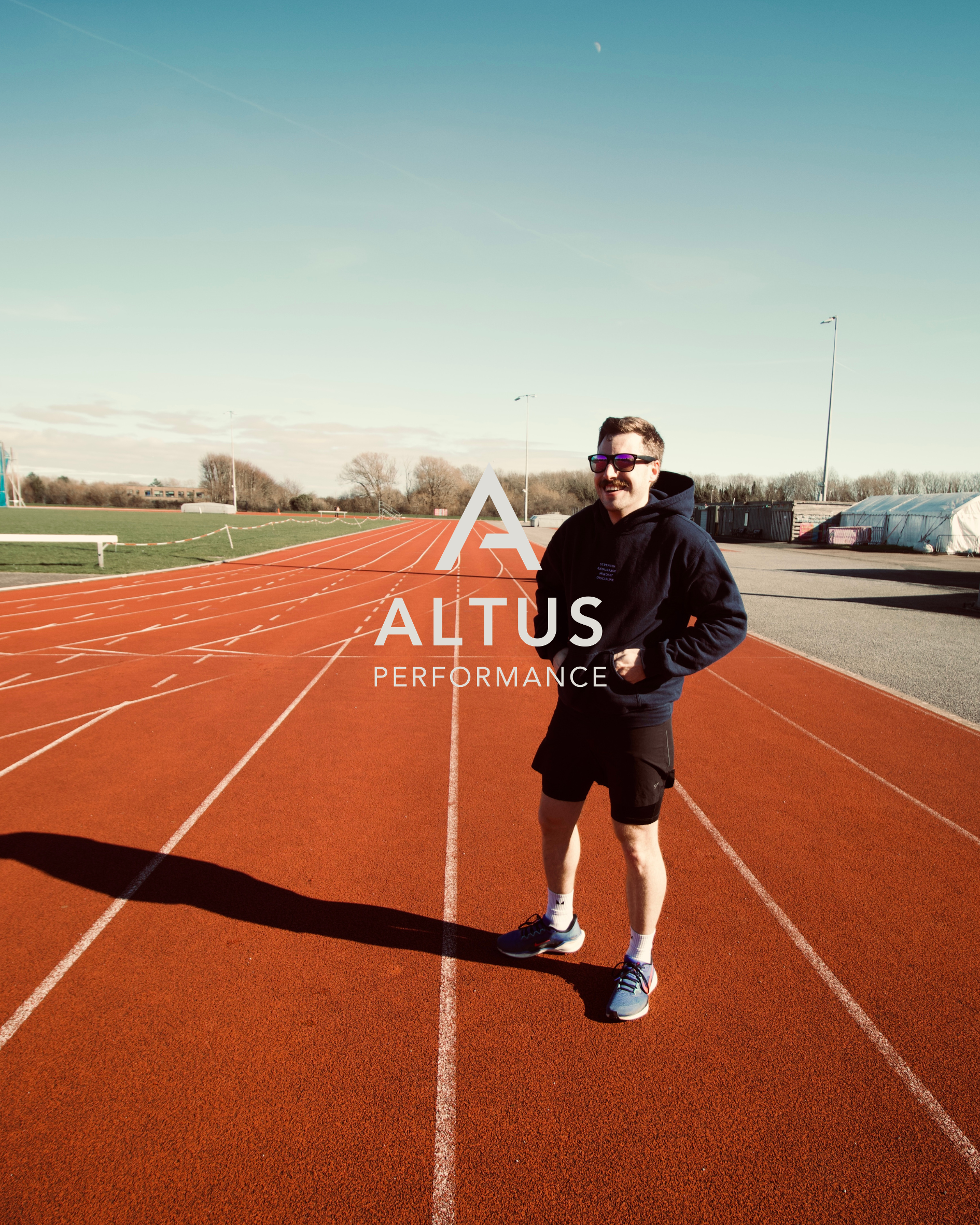
Our recent Strength Circuit Loop workout combined running with targeted strength exercises, creating a powerful routine for runners of every level. We completed our signature 0.22 km loop, adding 10 lunges and 10 squats after each lap. After five full rounds, we rested for two minutes and repeated the cycle. This workout blends cardiovascular endurance with muscle strengthening, offering benefits that extend to endurance runners, sprinters, and casual joggers alike.

Why Combine Running with Strength Exercises?
Running alone builds cardiovascular fitness and leg endurance, but it can leave muscles underdeveloped in ways that increase injury risk. Adding lunges and squats targets key muscle groups such as the glutes, quads, hamstrings, and core. These exercises improve muscle balance and joint stability, which helps runners maintain proper form and reduces strain on knees and ankles.
The circuit format keeps the heart rate elevated while challenging muscles with repeated strength moves. This combination improves both aerobic capacity and muscular endurance, making the body more efficient during runs.
Benefits for Endurance Runners
Endurance runners often face fatigue in the later stages of long runs. Strength circuit workouts build muscular endurance, allowing runners to maintain power and form over extended distances. Lunges and squats strengthen stabilizing muscles that support the hips and knees, reducing the chance of overuse injuries like IT band syndrome or runner’s knee.
Additionally, the short bursts of strength work improve running economy. This means runners use less energy at a given pace, helping them run longer with less effort.
Advantages for Sprinters
Sprinters rely on explosive power and fast muscle contractions. The lunges and squats in the circuit develop lower body strength and improve muscle activation patterns. This leads to quicker starts and more powerful strides.
The repeated loop format also trains sprinters’ ability to recover quickly between sprints. The two-minute rest after five rounds mimics race conditions where short recovery is essential. This helps sprinters build stamina without sacrificing speed.
How Casual Runners Gain from Strength Circuits
Casual runners often focus on distance but overlook strength training. Incorporating lunges and squats into a running loop improves overall fitness and reduces injury risk. Strength circuits build confidence by making running feel easier and more controlled.
For those running for health or stress relief, this workout adds variety and challenges the body in new ways. It also helps maintain muscle mass and bone density, which tend to decline with age.
Practical Tips to Try Strength Circuit Loops
Start with a manageable number of laps and reps, then gradually increase.
Focus on proper form during lunges and squats to avoid injury.
Use a flat, safe running loop or track for consistency.
Incorporate rest periods to allow muscle recovery.
Track progress by noting how many rounds you complete and how you feel.
This workout can be adapted to any fitness level by adjusting pace, reps, or rest time.
Comments