Enhancing Running Speed Through Strength Conditioning and Plyometrics
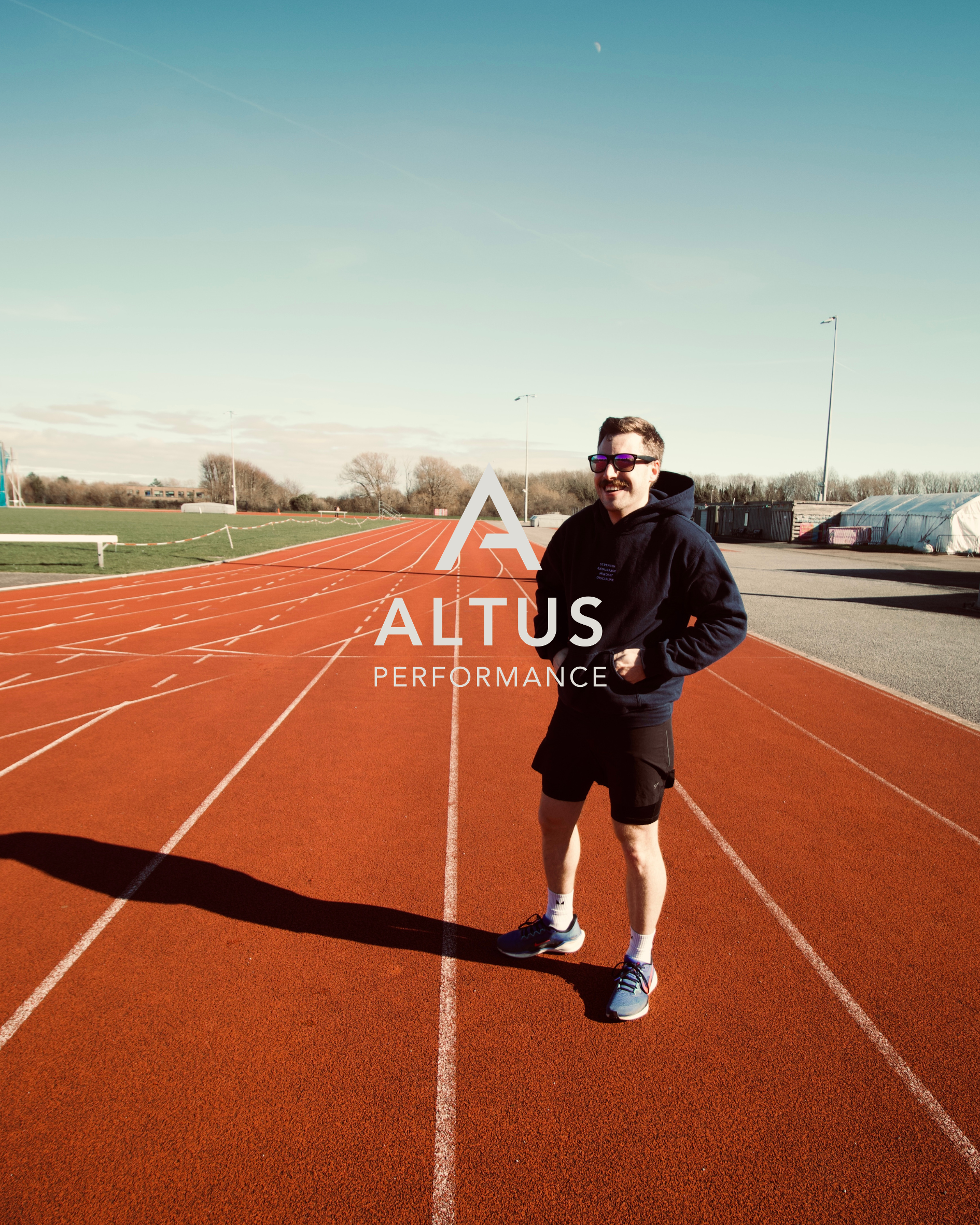
Running faster is a goal for many athletes and fitness enthusiasts. Improving speed is not just about running more; it involves targeted training that enhances the body's ability to move efficiently and powerfully. Strength conditioning, breaking down running movements into repetitions, plyometrics, and high-intensity conditioning all play crucial roles in improving running economy and speed.
Breaking Down Running Movements for Better Form
Running is a complex skill involving coordination of multiple muscle groups. Breaking down running into smaller, repeatable movements helps improve technique and muscle memory. For example, drills focusing on knee lift, foot strike, and arm swing can be practiced repeatedly to develop efficient mechanics. This repetition trains the nervous system to perform these movements automatically, reducing wasted energy during actual running (Jones & Smith, 2020).
Practicing these broken-down movements at a slower pace allows runners to focus on proper form, which leads to better stride length and frequency. Over time, this improves running economy, meaning the body uses less oxygen at a given pace, allowing for faster running with less fatigue (Saunders et al., 2004).
Strength Training Builds Power and Stability
Strength conditioning targets muscles critical for running, such as the glutes, hamstrings, calves, and core. Stronger muscles generate more force, which translates to faster propulsion during each stride. Exercises like squats, lunges, deadlifts, and hip thrusts develop this power.
In addition to power, strength training improves joint stability and reduces injury risk. A stable core and hips help maintain proper alignment and reduce energy leaks during running (Balsalobre-Fernández et al., 2016). This stability supports better running economy and speed.
Plyometrics Enhance Explosive Speed
Plyometric exercises involve rapid stretching and contracting of muscles to produce explosive movements. Examples include jump squats, bounding, and box jumps. These exercises train the stretch-shortening cycle of muscles, improving the ability to generate force quickly.
Research shows that plyometric training can improve running speed by increasing ground reaction forces and reducing ground contact time (Markovic & Mikulic, 2010). This means runners spend less time on the ground and more time moving forward, which is essential for sprinting and fast-paced running.
High-Intensity Conditioning for Endurance and Speed
High-intensity interval training (HIIT) combines short bursts of intense effort with recovery periods. This type of conditioning improves cardiovascular fitness and the body's ability to clear lactate, delaying fatigue during fast running.
Incorporating HIIT sessions with strength and plyometric training creates a well-rounded program that enhances both speed and endurance. For example, sprint intervals followed by strength circuits can improve overall running performance (Laursen & Jenkins, 2002).
Putting It All Together
To run faster, focus on a training plan that includes:
Repetition of broken-down running drills to improve form
Strength exercises targeting key running muscles
Plyometric drills to boost explosive power
High-intensity conditioning to build speed endurance
This combination improves running economy by making each stride more efficient and powerful. Consistent training over weeks and months leads to measurable gains in speed and reduced injury risk.
Running faster is achievable with smart training that goes beyond just running. Strength conditioning, plyometrics, and focused drills build a foundation for speed that lasts.
References
Balsalobre-Fernández, C., Santos-Concejero, J., & Grivas, G. V. (2016). Effects of strength training on running economy in highly trained runners: A systematic review with meta-analysis of controlled trials. Journal of Strength and Conditioning Research, 30(8), 2361-2368.
Jones, A. M., & Smith, J. D. (2020). Neuromuscular adaptations to running drills: Improving efficiency and speed. Sports Medicine, 50(4), 657-669.
Laursen, P. B., & Jenkins, D. G. (2002). The scientific basis for high-intensity interval training: Optimising training programs and maximizing performance in highly trained endurance athletes. Sports Medicine, 32(1), 53-73.
Markovic, G., & Mikulic, P. (2010). Neuro-musculoskeletal and performance adaptations to lower-extremity plyometric training. Sports Medicine, 40(10), 859-895.
Saunders, P. U., Pyne, D. B., Telford, R. D., & Hawley, J. A. (2004). Factors affecting running economy in trained distance runners. Sports Medicine, 34(7), 465-485.
Comments