Understanding the Science Behind Structured Interval Workouts for Optimal Performance
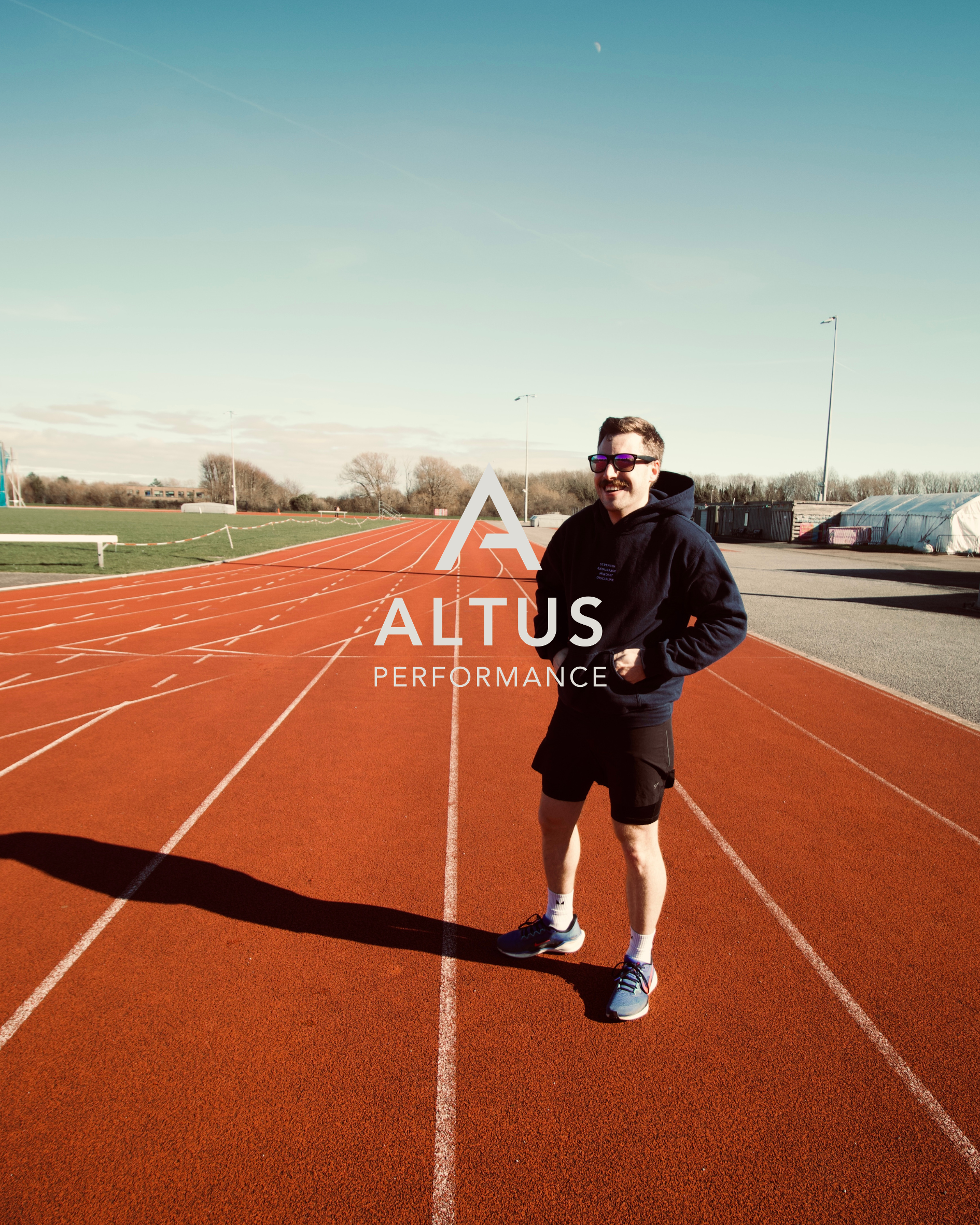
Structured interval workouts offer a powerful way to improve running speed, endurance, and overall fitness. This post breaks down the science behind a specific interval session designed around a 0.22 km loop at Helen Gardens. The workout combines walking, jogging, and sprinting in a carefully planned sequence to maximise performance gains while minimising injury risk.
How the Workout Is Structured
The workout begins with a full warm-up, mobility exercises, and movement preparation to ready the body for the demands ahead. The main session uses the 0.22 km loop divided into three equal parts:
First third: Walk at a controlled pace
Second third: Jog steadily, maintaining good running form
Final third: Near-sprint effort, pushing close to maximum speed
Athletes complete five continuous rounds of this sequence, then take a two-minute rest before repeating the set for another five rounds. The session ends with a cooldown and post-run stretching to aid recovery.
Why This Structure Works
This interval design targets multiple aspects of running fitness by varying intensity and movement patterns within each lap. Here’s why it’s effective:
Controlled walking in the first third helps regulate heart rate and prepares muscles for the upcoming effort without fatigue.
Steady jogging in the middle third builds aerobic endurance and reinforces smooth running mechanics.
Near-sprint efforts in the final third train the body to accelerate efficiently and tolerate high-intensity bursts.
Switching between walking, jogging, and sprinting within each lap trains the body to adapt quickly to changing speeds. This improves neuromuscular coordination, which is essential for strong running technique and injury prevention.
The Role of Smooth Pacing and Mechanics
A key focus during the workout is maintaining smooth transitions between walking, jogging, and sprinting. Abrupt changes can cause inefficient movement and increase injury risk. Instead, athletes are encouraged to:
Gradually increase speed from walk to jog
Maintain relaxed but strong posture during jogging
Accelerate into the sprint section with controlled power
This approach helps develop better running economy, meaning the body uses less energy for the same speed. Over time, this leads to improved performance and endurance.
Benefits of Repeating Sets with Recovery
Completing five rounds continuously before resting allows the body to experience sustained effort, building stamina. The two-minute rest helps clear metabolic byproducts like lactic acid, enabling better performance in the next set. Repeating the five rounds after rest trains both aerobic and anaerobic energy systems, essential for balanced fitness.
Cooling Down and Stretching
Finishing with a cooldown jog and stretching helps gradually lower heart rate and reduce muscle tightness. This supports recovery and lowers the chance of soreness or injury after intense interval training.
Comments